

Car Accidents
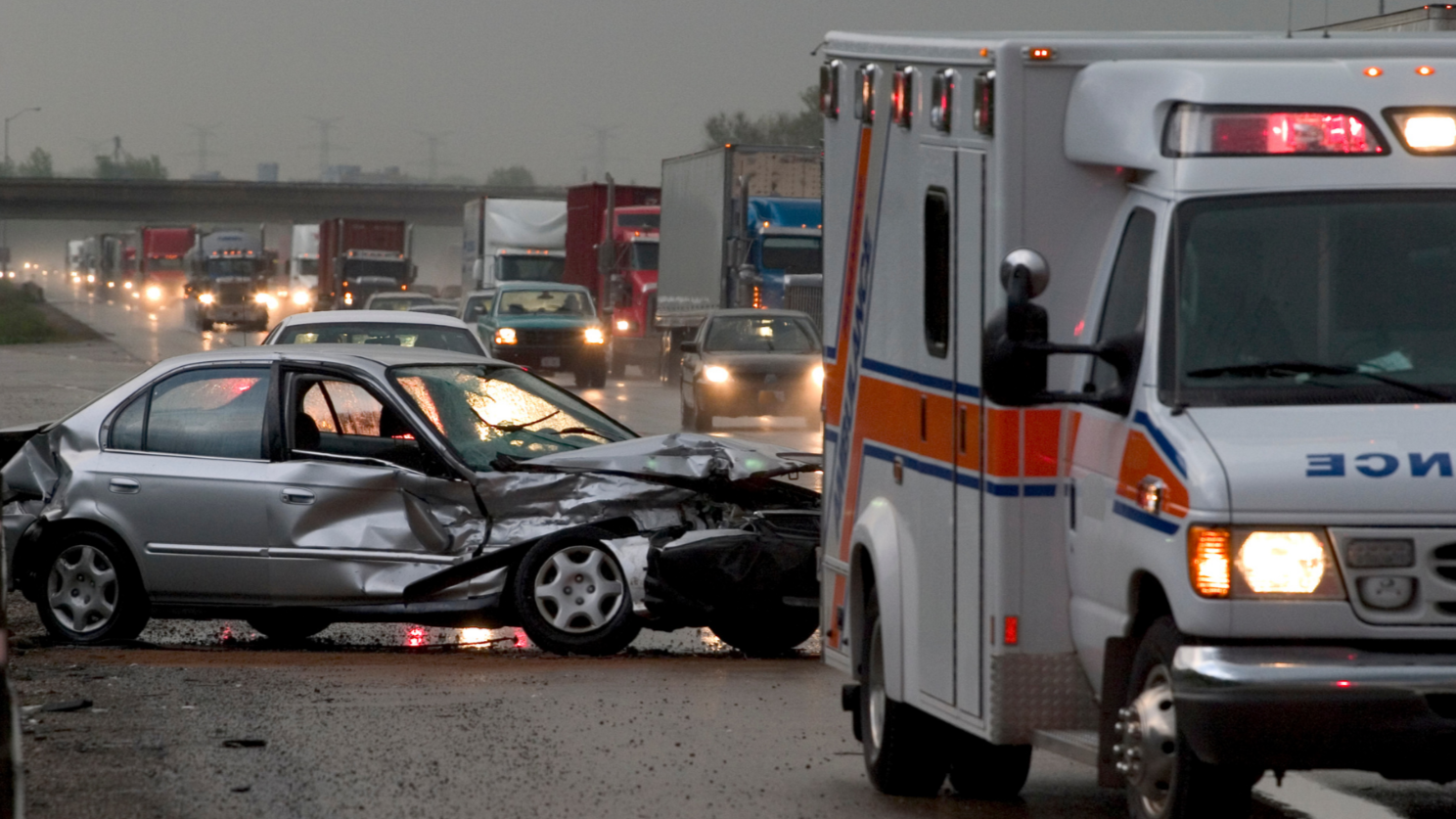
When Everything Changes in a Split Second!
When Everything Changes in a Split Second!
One moment you're driving to work, picking up the kids, running an errand. The next, your car is wrecked, your body hurts, and someone is handing you an insurance card like that's supposed to make it okay.
If you've been in a car accident in Houston, you're probably dealing with more than just a damaged vehicle. You're dealing with pain, missed work, medical bills, and an insurance company whose job — let's be honest — is to pay you as little as possible.
You don't have to figure this out alone.
-
We handle car accident cases on contingency — meaning you pay nothing unless we win your case.*
That's not a marketing line. It's how we operate because we believe everyone deserves access to real legal representation, not just people who can afford to pay upfront.
When you work with McKinnon Law, you work with Attorney Andrew McKinnon directly. Not a paralegal. Not a case manager. Andrew.
We're based in Houston. We know these roads, these courts, and these insurance companies. And we're not in the business of rushing you into a settlement that doesn't actually cover what you've been through.
-
The steps you take in the hours and days after your accident can make a significant difference in your case. Here's what we recommend:
1. Get medical attention — even if you feel okay. Adrenaline masks pain. Whiplash, soft tissue injuries, and even traumatic brain injuries don't always show up immediately. Seeing a doctor protects your health and creates a record of your injuries.
2. Call the police. A police report is one of the most important documents in your case. In Texas, you're required to report accidents that result in injury, death, or significant property damage.
3. Document everything you can. Photos of the scene, your vehicle, your injuries, and any road conditions. Names and contact info for witnesses. The other driver's insurance information. All of it matters.
4. Don't give a recorded statement to the other driver's insurance. You are not required to. Anything you say can and will be used to minimize your claim. Talk to an attorney first.
5. Contact McKinnon Law before you sign anything. Once you sign a settlement offer, that's usually it — you can't go back. Before you accept anything, let us take a look at what you're actually owed.
-
Here's something most people don't find out until it's too late: the insurance adjuster who calls you after your accident is not on your side. They're trained to settle your claim fast and cheap — before you fully understand the extent of your injuries or your rights under Texas law.
That's not a conspiracy theory. That's their job.
Under the Texas Insurance Code (Chapter 541), you have legal protections against unfair and deceptive insurance practices. But those protections only help you if you know they exist — and if you act before the clock runs out.
In Texas, you have two years from the date of your accident to file a personal injury claim. Miss that window and you lose your right to compensation entirely.
-
Houston's roads are some of the busiest in the country — and some of the most dangerous. The accidents we handle most often involve:
Distracted driving — texting, scrolling, anything that takes a driver's eyes off the road
Drunk or impaired driving — still one of the leading causes of serious collisions in Texas
Speeding and reckless driving — especially on I-10, I-45, and the Beltway
Running red lights and stop signs
Unsafe lane changes — common in heavy Houston traffic
Hazardous road conditions — poorly maintained roads, flooded intersections, construction zones
Regardless of how the crash happened, if someone else's negligence caused your injuries, you may have a case worth pursuing.
-
Every accident is different, but compensation in a Texas car accident case can include:
Medical expenses — past and future
Lost wages and loss of earning capacity
Pain and suffering
Property damage
Mental anguish and emotional distress
In cases of gross negligence — punitive damages
The full value of your case isn't always obvious right away. That's especially true if your injuries require ongoing treatment, surgery, or affect your ability to work. We evaluate every case thoroughly before we tell you what we think it's worth.