

(832) 810-3664
Hablamos español
info@mckinnonlawtx.com
1770 Saint James Place Suite 425, Houston, TX 77056
What to Do After a Car Accident in Houston
Written by Andrew McKinnon, Attorney at McKinnon Law
Last Updated: July 12, 2026
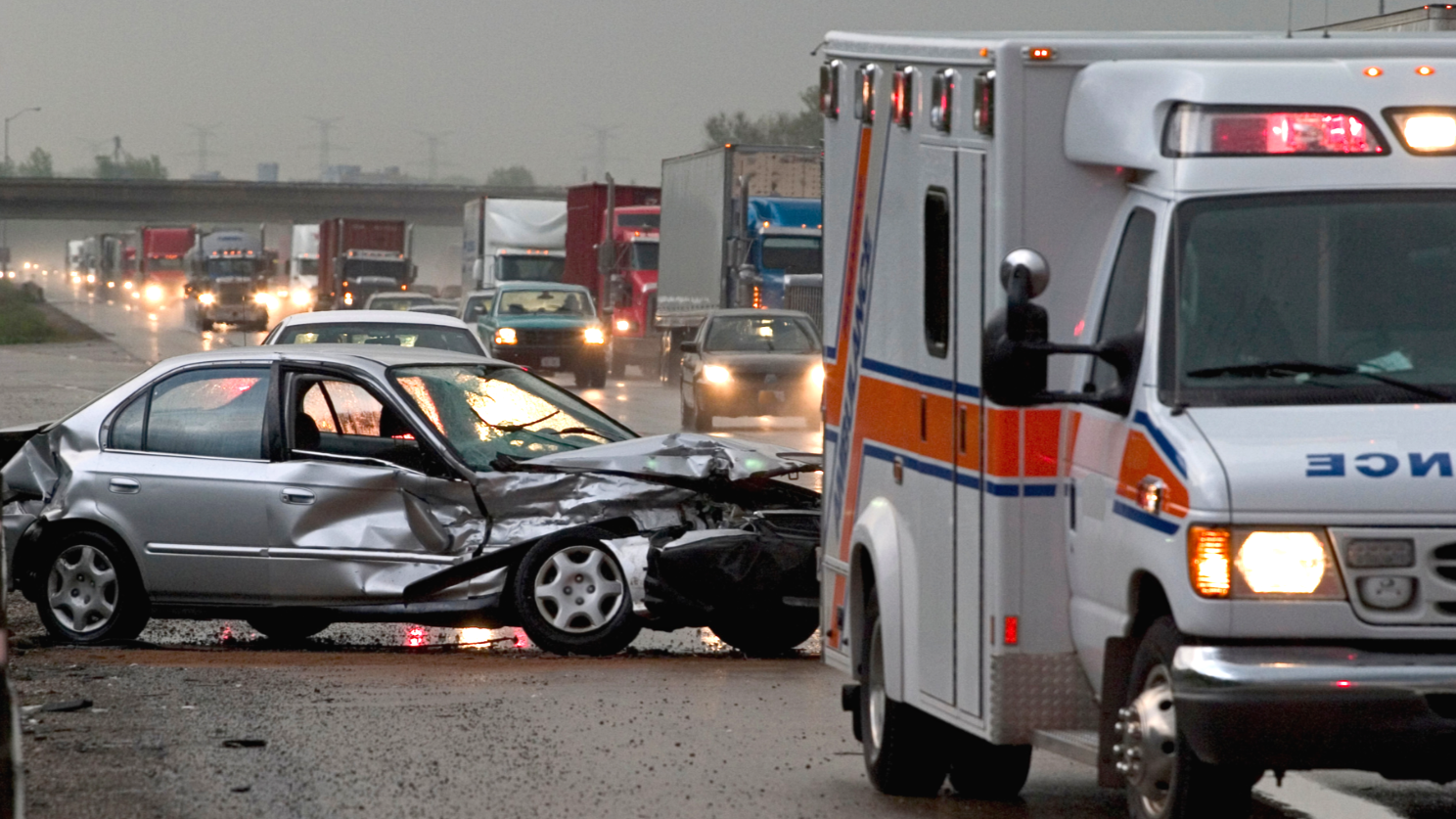
You're shaken up, maybe hurt, and your car might be totaled. The last thing you want to think about right now is "what happens next." But the next hour and the next few days matter, for your health and for your ability to get help paying for what this accident cost you.
Quick Answer: Check for injuries, call 911, move to safety if you can, document the scene with photos, get checked out by a doctor even if you feel fine, and be careful what you say to insurance companies before you understand your claim. Texas gives you two years from the date of the accident to file a personal injury lawsuit, and Texas follows a modified comparative negligence rule, meaning you can still recover damages if you were partly at fault, as long as you weren't more than 50% responsible.
Here's the full step-by-step breakdown from a Houston personal injury attorney, and what to avoid along the way.
*This page is general information, not legal advice for your specific situation. Every accident is different. If you want to know where you stand
McKinnon Law Step-by-Step Guide
Disclaimer: This page is general information, not legal advice for your specific situation. Every accident is different. If you want to know where you stand, contact us and we'll walk through it with you.
Step 1: Check for injuries and call 911
Call 911 first, even if the accident feels minor. In Texas, a driver must report a crash to police if anyone was injured or killed, or if property damage looks like it's over $1,000 — which covers almost every real collision. A police response creates an official crash report, and that report becomes one of the most important pieces of evidence if you need to file a claim later.
Adrenaline masks pain. Injuries like whiplash, concussions, and soft tissue damage often don't show symptoms for 24 to 72 hours. Getting checked out isn't being dramatic. It's protecting your health and creating a medical record that ties your injury to the accident.
Step 2: Move to safety if you can
If the vehicles are drivable and no one is seriously hurt, move to the shoulder or a nearby parking lot. Turn on hazard lights. Houston freeways and feeder roads move fast and staying in an active lane is dangerous.
Step 3: Document the scene
If you're able, use your phone to capture:
Photos of all vehicles involved, from multiple angles
License plates, vehicle makes and models, and visible damage
The accident location, street signs, traffic signals, and road conditions
Any visible injuries
Contact and insurance information for every driver involved
Names and contact info for any witnesses
This documentation often becomes the backbone of a claim later. Insurance adjusters, including your own, will ask for details you won't remember clearly in a week.
Step 4: Be careful what you say at the scene
It's natural to want to apologize or say "I'm fine" out of politeness, even when you're not sure yet. Be careful here. Statements like "I'm okay" or "I didn't see you" can end up in a police report or get repeated back to you by an insurance company later — even if they weren't accurate or complete.
Stick to facts when speaking with the other driver and police. You don't have to determine fault at the scene. That's not your job.
Step 5: Get medical attention, even if you feel fine
This is the step people skip the most. It's also the one that causes the most problems later.
Wait too long to see a doctor, and an insurance company will argue your injury wasn't serious. Or that it wasn't caused by the crash at all. They can make that argument. They will make that argument.
Seeing a doctor matters for your health, obviously. But there's a second reason people don't think about until it's too late. That visit is the paper trail. It's what ties what hurts today back to what happened on that road.
Step 6: Notify your insurance company
Yes, you generally have to report the accident to your own insurer, even if the other driver caused it. Keep it simple. Date, time, location, who was involved. You don't need to speculate about fault or injuries at this stage. Just the facts.
Now, the other driver's insurance company is a different story.They might call you within a few days asking for a "recorded statement." You don't have to give one. Honestly, before you understand what your claim is actually worth, you probably shouldn't. Their adjuster's job is to close your claim for as little money as possible. That's not them being shady. It's literally the job. Just don't confuse it for someone doing you a favor.
Step 7: Keep records of everything
Save every piece of paper and every message related to the accident:
Police report / crash report number
Medical bills and treatment records
Repair estimates and vehicle damage photos
Days missed from work
Any correspondence with insurance companies
If your case moves forward, this record is what supports the value of your claim.
Step 8: Understand Texas's filing deadline
Texas generally gives you two years from the date of the accident to file a personal injury lawsuit. Two years sounds like plenty of time.
It's not, really. Evidence disappears. Witnesses move on, or their memory of that afternoon gets fuzzy. And insurance companies have zero reason to rush and make any of this easier for you.
The sooner you understand where you actually stand, the more leverage you have.
Disclaimer: This is general information about Texas law, not a guarantee about your case's deadline. Some circumstances affect this timeline — talk to an attorney to confirm where you stand.
How long do you have to file a car accident claim in Texas?
Generally, two years from the date of the accident under Texas Civil Practice and Remedies Code § 16.003. That sounds like a long time, but evidence disappears, witnesses' memories fade, and insurance companies are in no hurry to make it easy on you. The earlier you understand your options, the more leverage you have.
*This is general information about Texas law, not a guarantee about your case's deadline. Some circumstances affect this timeline. Talk to an attorney to confirm where you stand.
What if you were partly at fault?
Texas follows a modified comparative negligence rule (sometimes called proportionate responsibility) under Texas Civil Practice and Remedies Code Chapter 33. You can still recover damages even if you were partly at fault, as long as you weren't found more than 50% responsible. Your compensation gets reduced by your percentage of fault. This is why insurance companies often push hard to pin more blame on you than the facts support — it directly reduces what they owe.
Do you need a car accident lawyer in Houston?
Not every fender-bender needs an attorney. But you should strongly consider talking to one if:
You were injured, even if it seems minor
The other driver disputes fault
The insurance company is delaying, denying, or lowballing your claim
You missed work or have ongoing medical treatment
You're not sure what your claim is actually worth
A lot of people hesitate here because they don't want to seem greedy or "cause trouble." That's not what this is. You got hurt because of someone else's carelessness, and you deserve to understand your options. That's it. Insurance companies have adjusters and lawyers working for them from day one. You're allowed to have someone in your corner too.
Talk to a Houston personal injury attorney, free.
At McKinnon Law, we sit down with you, walk through what happened, and give you a straight answer about where you stand. No pressure, no obligation.
-
Check for injuries, call 911, and move to safety if the vehicles are drivable. Then document the scene with photos before speaking at length with any insurance company.
-
Yes. Many injuries, like whiplash or concussions, don't show symptoms right away. A prompt medical exam also creates a record linking your injury to the accident, which insurance companies will otherwise dispute.
-
Generally two years from the date of the accident under Texas Civil Practice and Remedies Code § 16.003, though certain circumstances can affect this deadline. Confirm your specific timeline with an attorney.
-
Yes, under Texas's modified comparative negligence rule, as long as you weren't more than 50% responsible for the accident. Your compensation is reduced by your percentage of fault.
-
You're not required to, and it's usually best to speak with an attorney first.
-
Most personal injury cases are handled on a contingency fee basis, meaning no attorney's fees unless you win. Clients may still owe certain costs or expenses. Ask about this upfront.
-
Generally yes, if anyone was injured or killed or property damage appears to exceed $1,000, which covers nearly all real collisions.